The Peril of Laziness Lost: Rethinking Programmer Virtues in the Age of LLMs
AI Summary
In the world of software development, the virtues of laziness, impatience, and hubris have long been celebrated as the cornerstones of good design. Laziness, in particular, is not about avoiding work but about creating powerful abstractions that simplify complex systems. This form of laziness requires deep intellectual effort to optimize future productivity, benefiting not only the programmer but also those who follow.
However, the landscape of software creation has shifted dramatically. As more people engage in software development, many without a traditional programming background, the true meaning of laziness is often lost. Instead, a culture of 'hustle' has emerged, epitomized by the 'brogrammer' ethos, where quantity trumps quality.
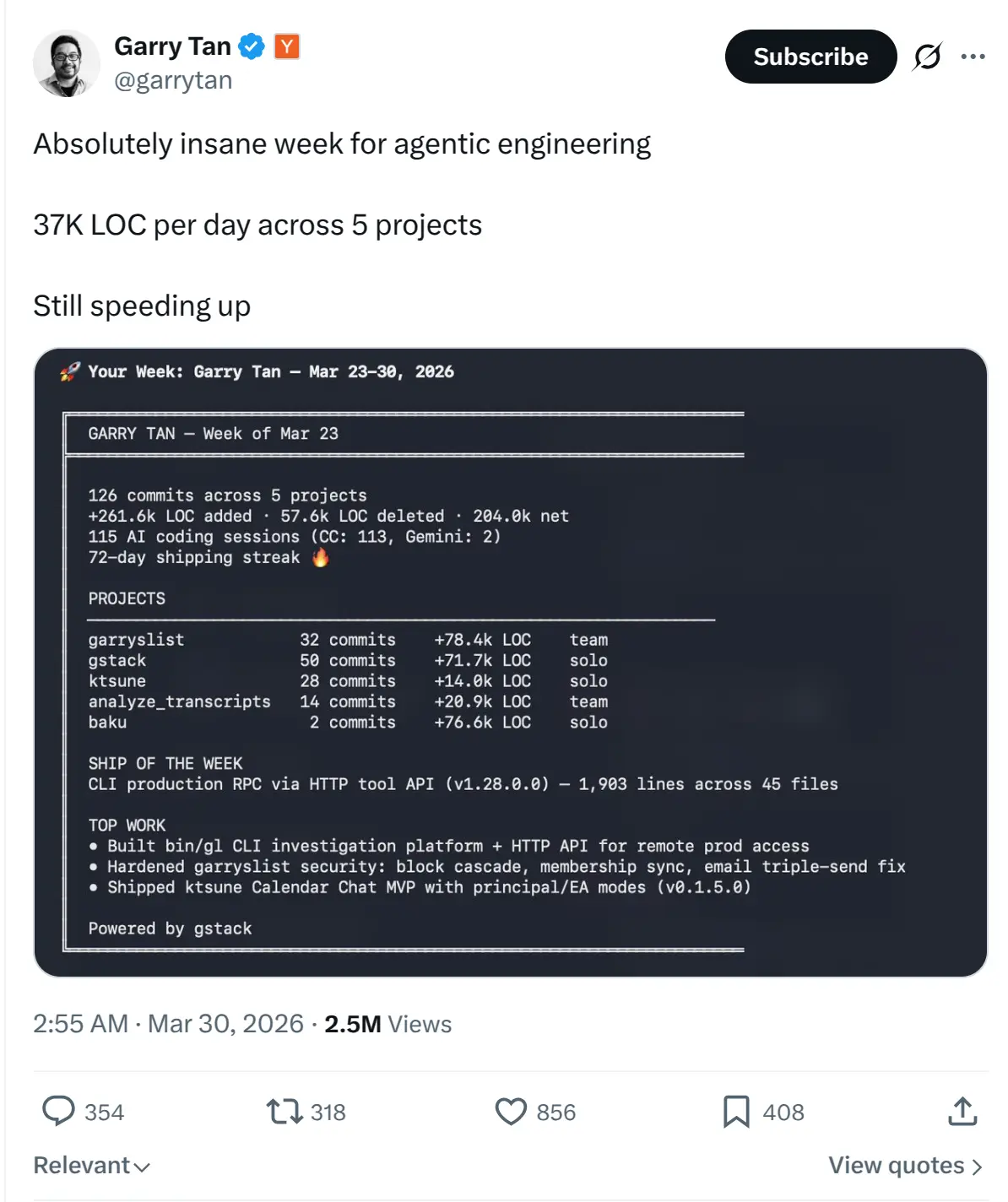
The advent of Large Language Models (LLMs) has exacerbated this trend. While LLMs can enhance productivity, they lack the intrinsic motivation to simplify or optimize, leading to bloated, inefficient systems. This is illustrated by the case of a programmer boasting about generating vast amounts of code with LLMs, only to produce a chaotic and redundant artifact.
The problem isn't the errors themselves but the methodology that prioritizes output volume over thoughtful design. LLMs, unconstrained by time or cognitive load, fail to embody the virtue of laziness that drives human engineers to refine and simplify.
Despite their limitations, LLMs can still play a valuable role in software engineering. They can assist with mundane tasks and help manage technical debt, but they must be guided by human engineers who prioritize simplicity and efficiency. By leveraging LLMs to support our virtuous laziness, we can create systems that are not only more powerful but also more sustainable for future generations.
Key Concepts
A principle in software development that encourages creating efficient and powerful abstractions to simplify complex systems, ultimately saving time and effort in the long run.
Advanced AI systems capable of generating human-like text, often used to automate and enhance various tasks in software development and other fields.
Category
ProgrammingMore on Discover
Summarized by Mente
Save any article, video, or tweet. AI summarizes it, finds connections, and creates your to-do list.
Start free, no credit card