The Rise and Risks of Flock Safety's Surveillance Technology
AI Summary
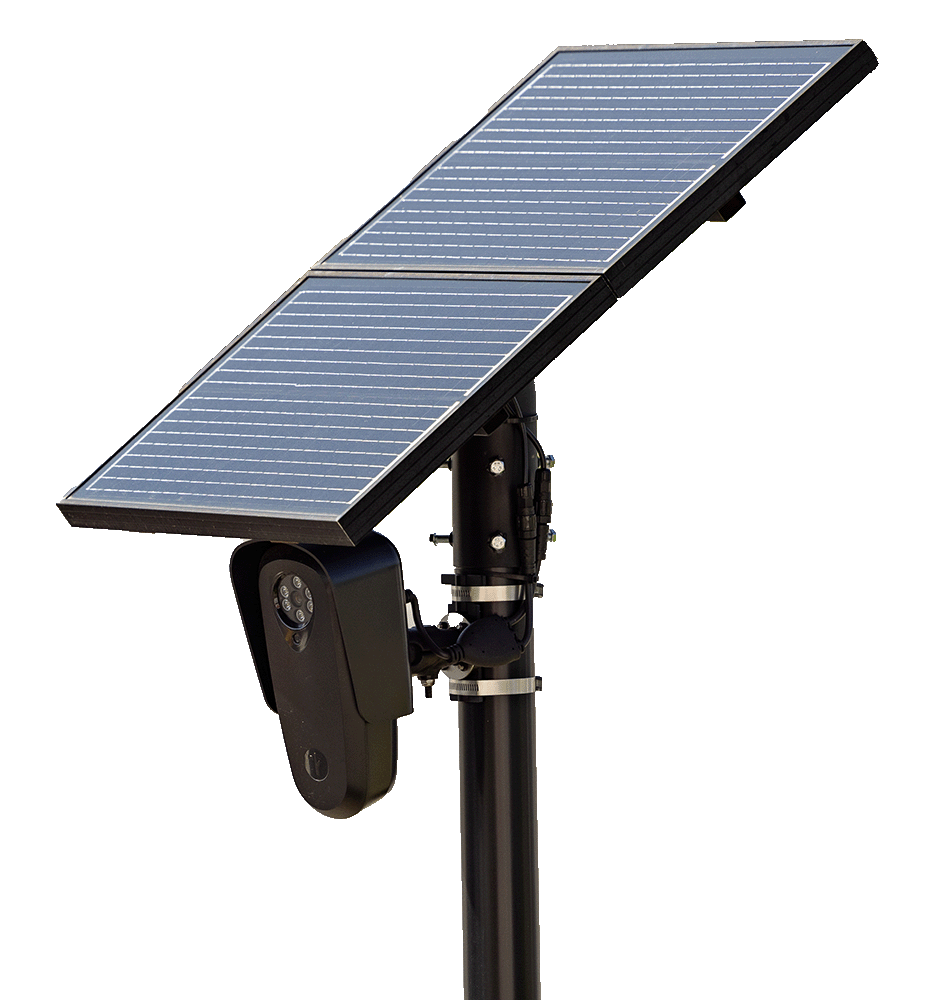
Flock Safety's cameras are marketed as advanced 'AI-powered precision policing technology,' extending far beyond traditional license plate readers. These systems create a 'Vehicle Fingerprint,' identifying cars by various features like color, make, model, and even bumper stickers. This technology allows law enforcement to search for vehicles based on descriptions rather than just license plates. Additionally, Flock's 'Convoy Analysis' can detect vehicles that frequently appear together, suggesting associations between drivers.
The data collected by Flock cameras is logged and searchable across a nationwide network accessible to law enforcement without a warrant. While this can aid in solving crimes, it also creates detailed records of individuals' movements and associations, raising significant privacy concerns. Misuse of this data has already occurred, exemplified by a Kansas police chief who used the system to stalk an ex-girlfriend.
The proliferation of Flock cameras is widespread, with over 100,000 cameras across the U.S. and thousands of law enforcement agencies using them. This rapid expansion often occurs with little public debate or oversight, posing a threat to privacy rights. The Fourth Amendment, which protects against unreasonable searches, is challenged by such mass surveillance technologies.
Critics argue that privacy is about autonomy and dignity, not hiding wrongdoing. Surveillance systems like Flock's can chill civil liberties and lead to biased enforcement, as seen in Oak Park, Illinois, where a disproportionate number of Black drivers were stopped due to Flock alerts.
Corporate interests also drive the expansion of surveillance, with Flock collaborating with private entities to broaden the surveillance net. This raises concerns about the blurring lines between public safety and profit-driven surveillance.
The supposed security benefits of these systems are debated. While Flock claims crime reduction, critics warn of a culture of mistrust and preemptive suspicion. True safety, they argue, comes from community-led initiatives, not automated surveillance.
Flock's technology is part of a larger trend towards ubiquitous surveillance, where personal data is collected, analyzed, and used by government agencies. This trend threatens to erode privacy and autonomy, as seen in various surveillance initiatives across the U.S.
The trajectory of such surveillance technologies is troubling, with potential for misuse and erosion of privacy. The integration of systems like Flock's with other surveillance platforms signifies a shift towards comprehensive monitoring without meaningful opt-out mechanisms.
Promoters of mass surveillance often justify it as necessary for safety, but critics warn of the risks of unchecked surveillance. Actions can be taken to resist this future, such as staying informed, demanding transparency, and supporting organizations that challenge mass surveillance.
Key Concepts
Mass surveillance involves the large-scale monitoring and collection of data on individuals or groups, often by governments or corporations, to track their activities and behaviors.
Privacy rights refer to the rights of individuals to control their personal information and to be free from unwarranted intrusion into their personal lives by others, including the government.
Category
PrivacyOriginal source
https://stopflock.comMore on Discover
Summarized by Mente
Save any article, video, or tweet. AI summarizes it, finds connections, and creates your to-do list.
Start free, no credit card