Ancient Native American Dice Games Reveal Early Use of Probability
By Evan Bush
AI Summary
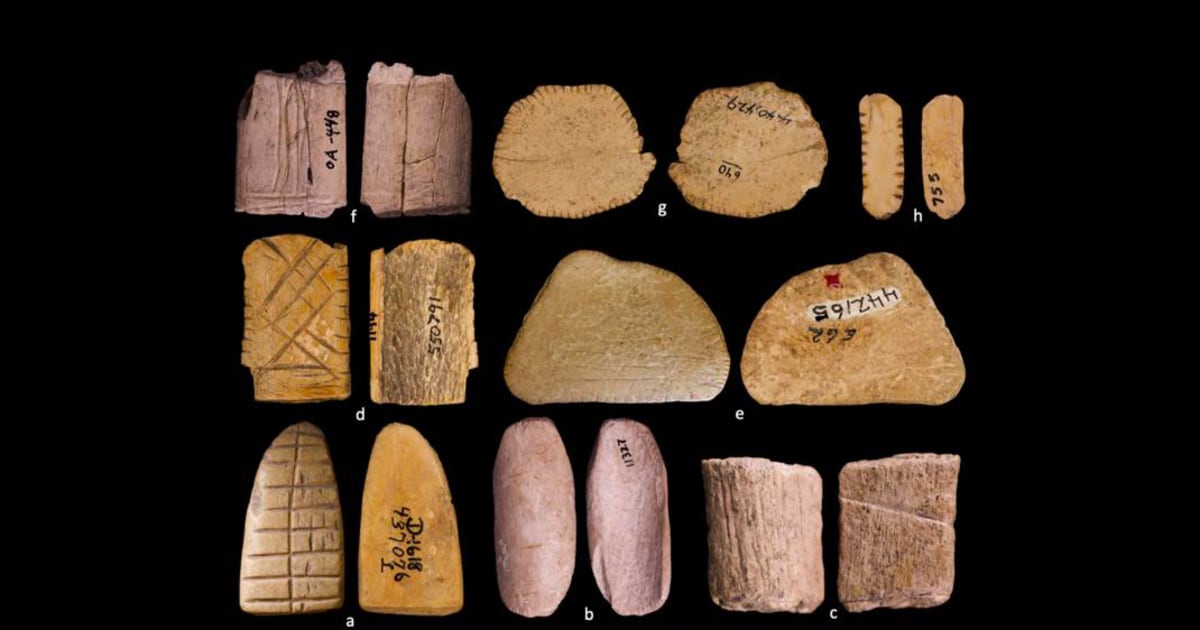
In a groundbreaking study, I have unearthed evidence suggesting that Native Americans were engaging in dice games and exploring concepts of probability as far back as 12,000 years ago. This discovery challenges the long-held belief that such practices originated in the Old World, revealing instead that the Southwestern U.S. was a hub of early intellectual development. My research, published in American Antiquity, shows that these games were not only a form of entertainment but also a sophisticated engagement with chance and randomness, predating similar activities in Europe, Africa, and Asia by millennia.
I embarked on this journey from a legal career to archaeology, meticulously analyzing old excavation reports and archaeological site records. This led to the realization that Native American dice, often two-sided and crafted from bone or wood, were used continuously from the end of the last Ice Age through European contact and beyond. These findings highlight the intellectual prowess of Native American cultures, which have historically been overlooked or suppressed.
The dice games, as described in Native American oral histories, were social events that could easily spiral out of control, blending elements of religion and community interaction. Stories from tribes like the Zuni even depict deities engaging in gambling. Despite the lack of prehistoric dice in Eastern North America, written accounts from the 1600s describe lively, fast-paced games that brought together diverse groups.
While it remains uncertain whether these ancient players were calculating probabilities, the evidence suggests they were engaging with complex mathematical concepts, possibly even contemplating the law of large numbers. This intellectual achievement is significant, as it predates similar developments in Bronze Age societies by 6,000 years.
My background as a trial lawyer, accustomed to sifting through vast amounts of documentation, equipped me well for this archaeological investigation. The study not only sheds light on the sophisticated nature of Native American cultures but also prompts a reevaluation of their contributions to early human intellectual history.
Key Concepts
Probability is the branch of mathematics that deals with the likelihood of different outcomes occurring. It involves the study of random events and the quantification of uncertainty.
An intellectual accomplishment refers to a significant achievement in understanding, developing, or applying complex ideas or concepts, often leading to advancements in knowledge or technology.
Category
HistoryOriginal source
https://www.nbcnews.com/science/science-news/native-americans-dice-games-probability-study-rcna266426More on Discover
Summarized by Mente
Save any article, video, or tweet. AI summarizes it, finds connections, and creates your to-do list.
Start free, no credit card