Gandhi's Trusteeship: Rethinking Wealth and Ownership
By Know Time
AI Summary
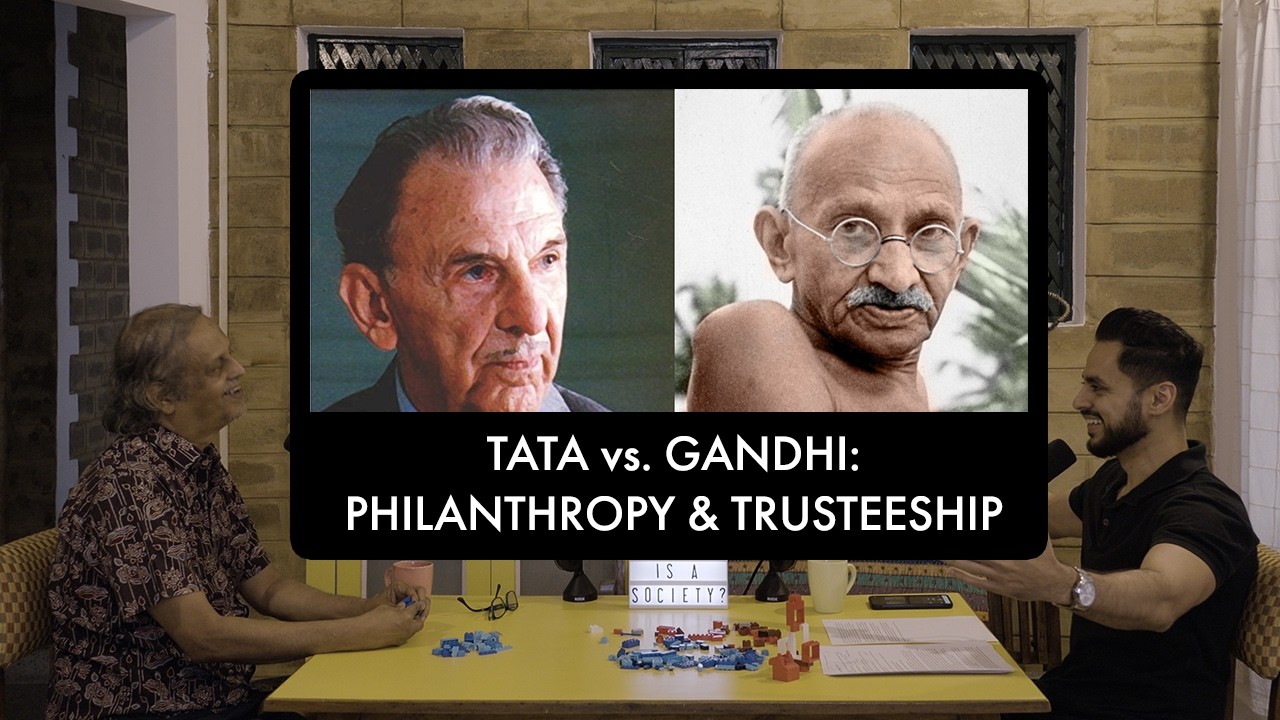
Mahatma Gandhi's concept of trusteeship challenges the traditional notions of ownership and wealth. I believe that if I take more than I need, I am essentially stealing from others. Nature provides enough for everyone's needs, but not for everyone's greed. This idea suggests that wealth should not be hoarded but used for the community's welfare. Gandhi's philosophy implies that wealth acquired through trade or legacy does not entirely belong to the individual but to society, with the individual acting as a caretaker.
Exploring ownership, I question whether physical objects and wealth truly belong to us or if we are merely trustees. This perspective is rooted in historical contexts where ownership was not absolute, such as under monarchies where land belonged to the king. Even today, ownership comes with responsibilities and constraints, challenging the notion of absolute ownership.
Gandhi's trusteeship draws from religious and cultural traditions, emphasizing a moral dimension to wealth. He proposed that wealth should not be inherited but used for societal benefit, a radical idea that resonated with figures like JRD Tata. Despite not agreeing with all of Gandhi's economic principles, Tata was influenced by the trusteeship concept, which shaped his philanthropic efforts and labor laws.
The idea of trusteeship raises ethical questions about wealth distribution and the role of family in transmitting wealth. Gandhi's vision challenges us to consider the moral implications of wealth and ownership, urging us to think about how we can use our resources to build a better society.
In today's world, the growing disparity between the rich and the poor makes Gandhi's ideas more relevant. The question of who owns wealth and how it should be used is crucial in addressing this inequality. By adopting a trusteeship mindset, we can begin to bridge the gap and create a more equitable society.
Key Concepts
Trusteeship is a philosophical and ethical concept where individuals act as caretakers of wealth and resources, using them for the benefit of society rather than personal gain.
Ownership refers to the legal right or control over property or resources, allowing the owner to use and manage them as they see fit.
Category
PhilosophyOriginal source
https://youtu.be/v7HqMtq2aicMore on Discover
Summarized by Mente
Save any article, video, or tweet. AI summarizes it, finds connections, and creates your to-do list.
Start free, no credit card