Iran's Cryptocurrency Toll Demand for Hormuz Passage Sparks Tensions
By Financial Times
AI Summary
Iran's control over the Strait of Hormuz is causing significant unease among Gulf states like Saudi Arabia, Qatar, and the UAE. The potential for Iran to exert influence over this crucial maritime route raises concerns for Opec+, as it could shift the balance of power within the organization by giving Tehran a de facto veto over the oil exports of rival members. Saudi Arabia, in particular, insists on maintaining 'unimpeded' access to global markets, with any Iranian control over the strait being a 'red line.'
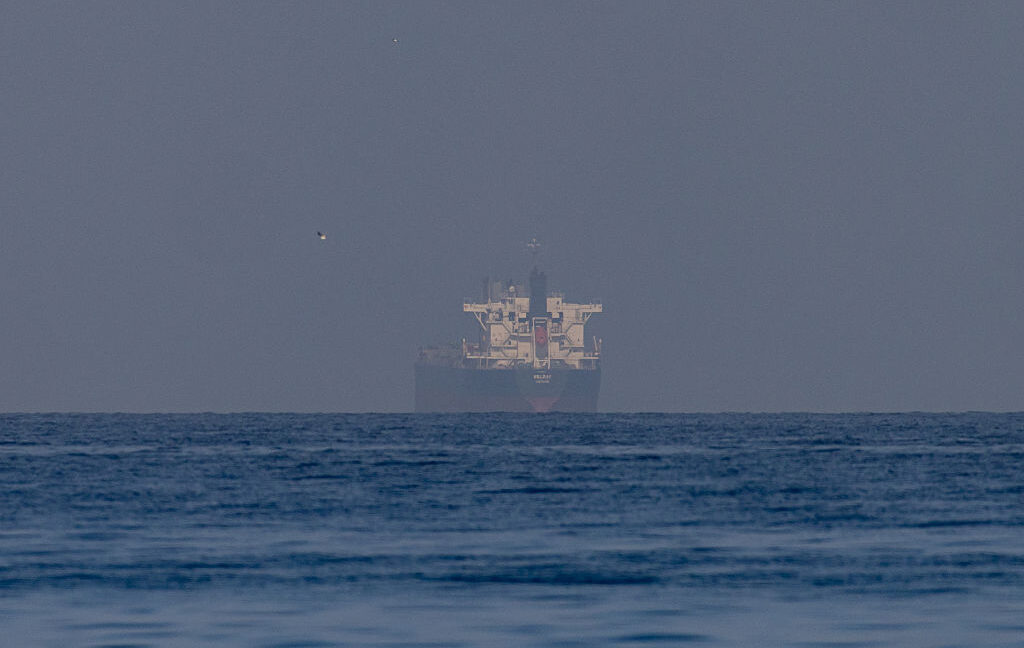
Recent incidents, such as a drone strike on Saudi Arabia's East-West pipeline, underscore the region's volatility. Currently, 175 million barrels of oil are loaded onto 187 tankers in the Gulf, waiting for safe passage. Industry experts estimate that 300 to 400 ships are stalled, likening the Gulf to a 'car park.' Only a few vessels, primarily those with prior business ties to Iran and not linked to the US, Israel, or certain Gulf states, have been allowed to navigate the strait.
Maritime intelligence suggests that clearing the backlog of ships could take weeks, with only 10 to 15 ships able to transit daily, a stark contrast to the pre-war rate of 135 ships. This bottleneck highlights the strategic importance of the Strait of Hormuz and the geopolitical tensions surrounding its control.
Key Concepts
Geopolitical tension refers to the strain and conflict between countries or regions due to political, economic, or military interests.
Maritime security involves the protection of sea lanes and maritime infrastructure from threats such as piracy, terrorism, and geopolitical conflicts.
Category
PoliticsOriginal source
https://arstechnica.com/tech-policy/2026/04/iran-demands-cryptocurrency-toll-from-tankers-passing-through-strait-of-hormuz/More on Discover
Summarized by Mente
Save any article, video, or tweet. AI summarizes it, finds connections, and creates your to-do list.
Start free, no credit card