Judge Blocks Trump's Defunding of NPR and PBS, But Challenges Persist
By Jon Brodkin
AI Summary
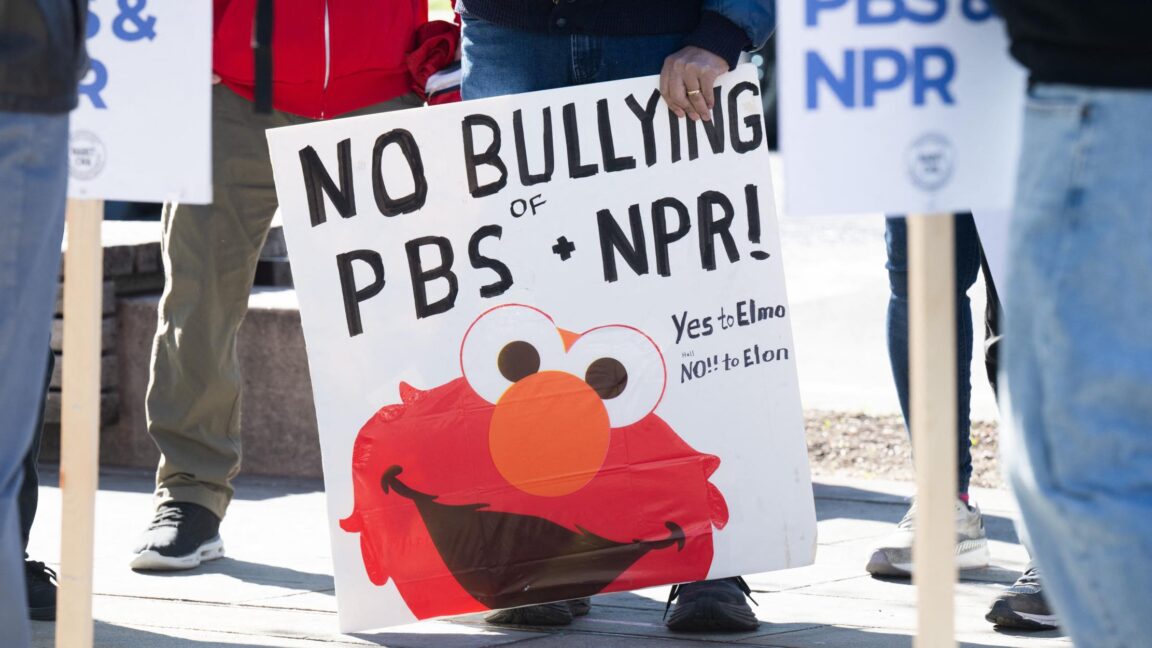
In a significant legal decision, a federal judge has permanently blocked President Trump's executive order that aimed to cut off federal funding for NPR and PBS, ruling it as a violation of the First Amendment. This executive order, issued in May 2025, was criticized for penalizing these public broadcasters due to their perceived 'left-wing' coverage, which the administration disfavored. Despite the ruling, the practical impact remains limited as Congress had already rescinded the entire budget for the Corporation for Public Broadcasting (CPB) for fiscal years 2026 and 2027, leading to its dissolution.
The judge, Randolph Moss, emphasized that the executive order represented viewpoint discrimination, a direct affront to free speech principles. The order instructed all federal agencies to eliminate funding for NPR and PBS, regardless of the nature of their programs or the merits of their funding applications. This action was seen as an unprecedented move to retaliate against media outlets for their past speech, a tactic that the First Amendment prohibits.
The White House criticized the ruling, labeling it as an attempt by an 'activist judge' to undermine the law, while NPR and PBS celebrated the decision as a victory for press freedom. NPR's CEO highlighted the ruling as a reaffirmation that government cannot use funding to influence or penalize the press. PBS echoed this sentiment, calling the executive order an unconstitutional act of viewpoint discrimination.
Judge Moss's ruling specifically struck down sections of the executive order that targeted NPR and PBS, citing them as unlawful and unenforceable. He noted that the order was clearly aimed at suppressing viewpoints unfavorable to the President, evidenced by the administration's own statements criticizing the broadcasters for their coverage.
Despite the legal victory, the future of public broadcasting funding remains uncertain. The CPB has dissolved, and the prospect of its revival appears bleak without congressional support. The judge acknowledged that any future efforts to reinstate the CPB would require significant political will, including presidential appointments and Senate confirmations, which seem unlikely given the current political climate.
This case underscores the ongoing tensions between the Trump administration and media outlets, highlighting the broader debate over government funding and media independence. The ruling serves as a reminder of the constitutional protections afforded to free speech, even as public broadcasters face financial challenges in the absence of federal support.
Key Concepts
The First Amendment to the United States Constitution protects freedoms concerning religion, expression, assembly, and the right to petition. It guarantees freedom of speech and the press.
Viewpoint discrimination occurs when the government censors or restricts speech based on the ideology or perspective of the speaker. It is a violation of free speech principles.
Category
PoliticsOriginal source
https://arstechnica.com/tech-policy/2026/04/trump-defunding-of-npr-and-pbs-blocked-by-judge-but-damage-is-already-done/More on Discover
Summarized by Mente
Save any article, video, or tweet. AI summarizes it, finds connections, and creates your to-do list.
Start free, no credit card