Rocket Report: Strategic Space Access and Launch Developments
By Eric Berger
AI Summary
Welcome to this week's Rocket Report, where we delve into the latest in space launch developments. The Artemis II mission is progressing smoothly, with the crew preparing for the challenging atmospheric reentry. Meanwhile, Seagate Space Corporation is partnering with Firefly Aerospace to explore offshore launch capabilities for the Alpha rocket, aiming to revolutionize sea-based launches.
In Europe, Isar Aerospace has postponed its Spectrum rocket launch due to a suspected leak, as it strives to become the first European startup to reach orbit. PLD Space in Spain has secured significant funding to advance its MIURA 5 rocket, emphasizing the essential nature of space access for security and economic growth.
Phantom Space is expanding its capabilities through the acquisition of Thermal Management Technologies, enhancing its satellite thermal components for its in-orbit data center constellation. Despite setbacks, Space Pioneer in China continues to develop the Tianlong-3 rocket, designed to compete with SpaceX's Falcon 9.
The European Space Agency has revealed that the Ariane 62 rocket's launch costs are comparable to Falcon 9, highlighting the competitive nature of the launch market. SpaceX's Falcon 9 continues to set reuse records, with its fleet-leading booster completing its 34th flight.
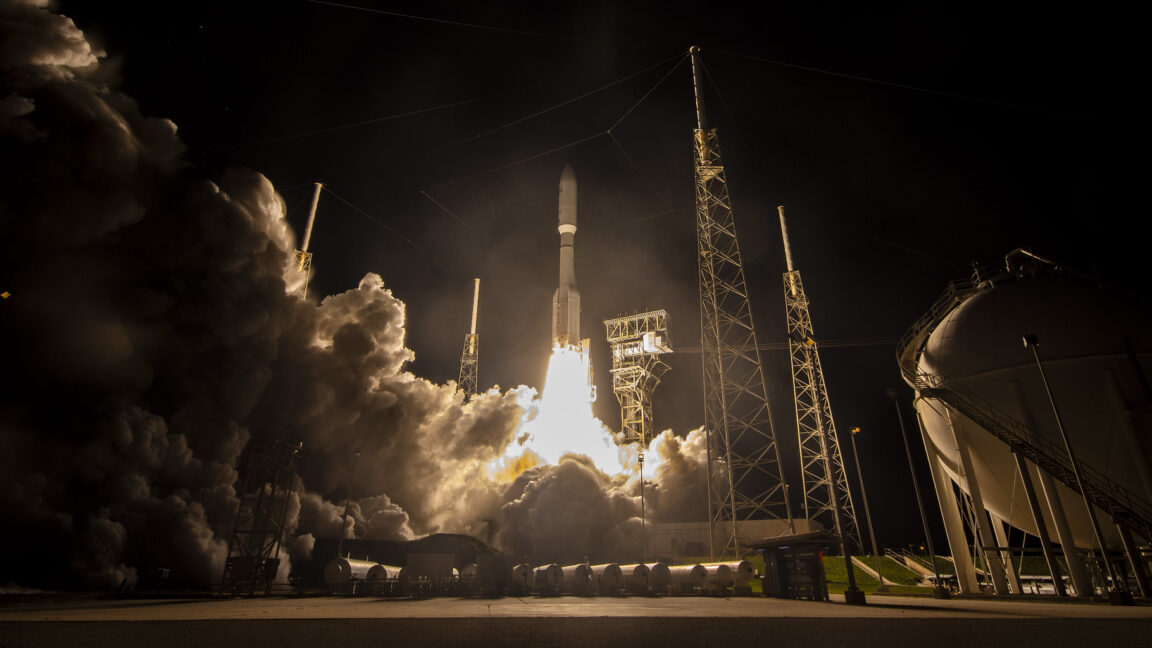
United Launch Alliance's Atlas V rocket has successfully launched its heaviest payload yet, demonstrating the importance of upper stage performance. NASA's SLS rocket has also achieved a successful launch of the Artemis II crew, emphasizing the role of reusable launch systems in the Moon program.
Finally, SpaceX's Starship test flight has been delayed, with NASA eagerly awaiting its frequent flights to support the Artemis program. Stay tuned for upcoming launches, including Falcon 9 and Kinetica 1 missions.
Key Concepts
Offshore launch platforms are structures located at sea that serve as bases for launching rockets. They offer flexibility in launch locations and can reduce risks associated with land-based launches.
Space access refers to the ability to reach outer space, which is crucial for various applications such as communication, navigation, and scientific exploration. It involves the development and operation of launch vehicles and infrastructure.
Category
Space ExplorationOriginal source
https://arstechnica.com/space/2026/04/rocket-report-price-parity-between-ariane-6-and-falcon-9-isar-stands-down/More on Discover
Summarized by Mente
Save any article, video, or tweet. AI summarizes it, finds connections, and creates your to-do list.
Start free, no credit card