The Evolution of Middle-Class Americana: 1980 to Present
AI Summary
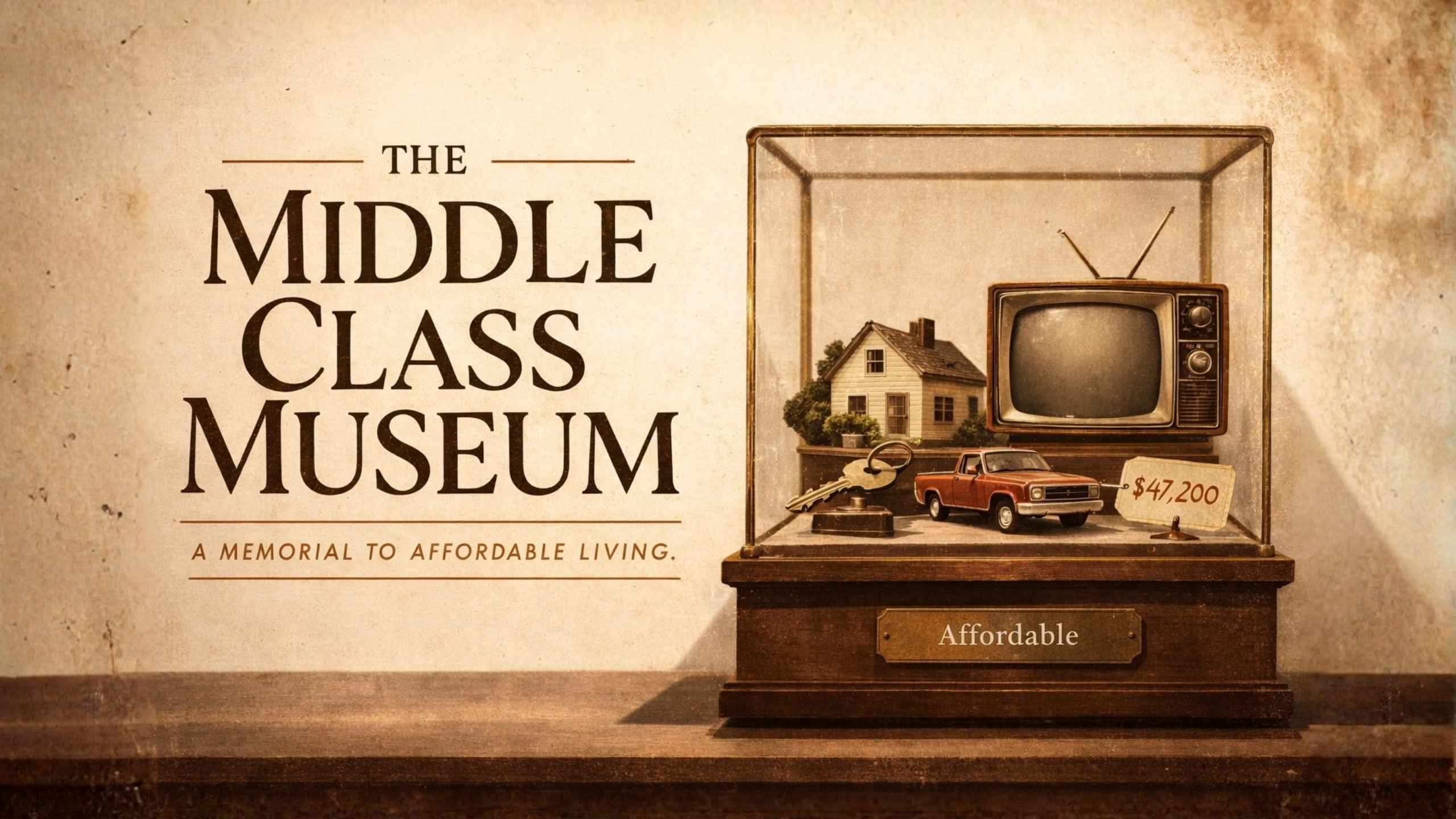
Reflecting on the journey from 1980 to today, the middle-class experience has transformed dramatically. In 1980, a single-income factory worker like Gary could buy a starter home for $47,200 without the frenzy of today's housing market. Fast forward to now, and that same home is worth $450,000, with many relegated to renting basements.
In 1981, a new Ford F-150 was attainable with eight months of salary, but today, the average new car costs $48,000, pushing Gary's grandson to lease instead. Cable TV in 1982 offered 13 channels for $7.99 a month, a stark contrast to today's fragmented streaming services that cost much more.
The pension system of 1983 ensured a worry-free retirement, but now it's considered a myth, with individuals shouldering the burden of retirement savings. The one-income household of 1984 supported a family of four, but today, even dual-income households struggle to own homes.
A teenager's summer job in 1986 could cover a semester's tuition, whereas now it barely covers a few days. National park vacations in 1988 required no reservations, but today, timed entry passes sell out months in advance.
The savings account of 1989 offered an 8% interest yield, a far cry from today's 0.01%, forcing people to gamble in the stock market. Healthcare costs have skyrocketed from a $10 co-pay in 1990 to a $6,000 deductible today.
Higher education was affordable in 1993, with tuition at $3,800 a year, but now it costs $28,000 annually. The family computer in 1994 was a shared resource, unlike today's personal devices that leave us feeling disconnected.
The concept of ownership has shifted, from DVDs in 2003 to streaming services today, where content can disappear overnight. The gig economy, once a side hustle, has become a primary employment model, lacking benefits and security.
As we reach 2023, the subscription model dominates, with everything from music to car features requiring monthly fees. The cost of basic necessities like eggs and fast food has soared, highlighting the economic pressures faced by the middle class.
Despite these challenges, technological advancements like smartphones offer some solace, but the overarching theme is a loss of ownership and increased financial strain.
Key Concepts
The shift in economic and social conditions affecting the middle class over time, often characterized by changes in affordability, employment, and lifestyle.
The growing gap between different economic classes, often resulting in unequal access to resources and opportunities.
Category
EconomicsOriginal source
https://www.ideagames.fun/middle-class-museumMore on Discover
Summarized by Mente
Save any article, video, or tweet. AI summarizes it, finds connections, and creates your to-do list.
Start free, no credit card