The Existential Dilemma of Rust Cohle
By Postmodern Labyrinth
AI Summary
As Rust Cohle, I am consumed by relentless thought, not just about the cases I work on, but about the very nature of human consciousness. Most people drift through life, unaware of their own existence, but I see through the self-deception and the stories we tell ourselves to keep going. I once said, 'I think human consciousness is a tragic misstep in evolution,' not out of cynicism, but because I see consciousness as a trap. It makes us aware of our mortality and the ultimate meaninglessness of our actions in the universe.
As a detective, I find patterns and solve murders, yet the most profound pattern I've discovered is the absence of any true pattern—just time, endlessly repeating its horrors. My philosophical pessimism, akin to that of Schopenhauer and Ligotti, reveals consciousness as the central catastrophe of existence. It forces us to confront our suffering without escape. Everywhere I look, people construct meaning to cope with this reality: killers create rituals, victims' families pray, and my partner Marty seeks thrills in infidelity.
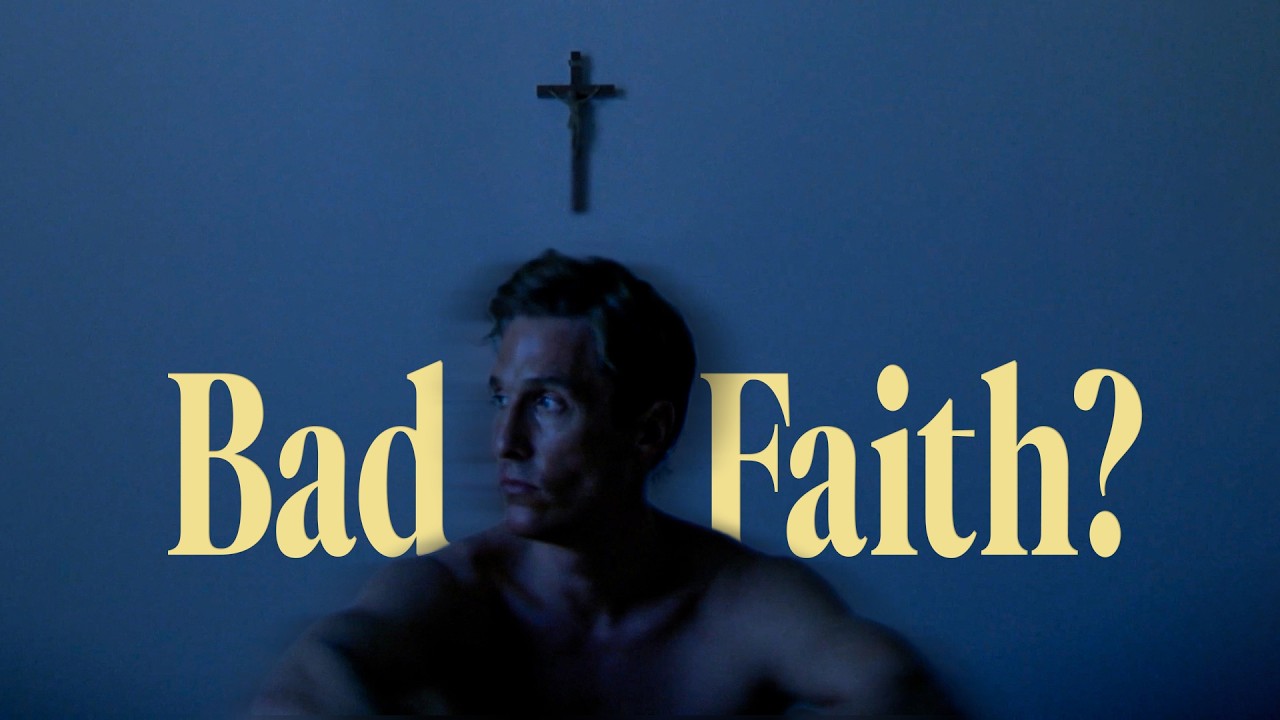
I refuse to partake in these delusions, which is why I drink, why I can't sleep, and why I'm alone. It's not weakness; it's brutal honesty. The curse of intelligence is the inability to feign ignorance. I can't revert to believing in inherent meaning or perform the delusions that others do. The French existentialists called this 'bad faith,' but I see it as survival. I believe the honorable path is to deny our programming, cease reproduction, and walk into extinction.
Yet, I continue to live and work, hunting killers in a world where suffering is endless. This contradiction is the essence of the absurd, as described by Camus—the clash between our quest for meaning and the universe's indifference. Despite recognizing life's meaninglessness, I act as if it matters. In the end, after a near-death experience, I felt my daughter's presence and love, and I realized, 'Once there was only dark. You ask me, light's winning.'
This isn't optimism but acceptance. Throughout the series, I argued that darkness is the truth, and light is the comforting lie. But eventually, I acknowledge that even if light is a lie, it's what makes life bearable. Living with philosophical pessimism isn't just an intellectual exercise; it's a daily reality. One can see through illusions and recognize meaninglessness, yet still care. The true curse of consciousness is knowing life is meaningless and continuing to live as if it matters. I didn't solve the existential problem; I merely showed what it looks like to live with it honestly. The show challenges us to consider which is worse: living in bad faith or enduring unbearable honesty.
Key Concepts
Philosophical pessimism is the belief that human existence is fundamentally flawed, often viewing consciousness as a burden rather than a gift. It suggests that life is filled with suffering and that any search for meaning is ultimately futile.
Absurdism is the philosophical perspective that humans have an inherent desire to find meaning in life, but the universe is indifferent to this quest, leading to a conflict between the two.
Category
PhilosophyOriginal source
https://youtu.be/_47ItZeR6-4More on Discover
Summarized by Mente
Save any article, video, or tweet. AI summarizes it, finds connections, and creates your to-do list.
Start free, no credit card