The Intricate Dynamics of Literary Agents and Publishing
By Naomi Kanakia
AI Summary
In the evolving landscape of literature, the sociology of literature offers a fresh perspective on how literary works are created and perceived. This approach examines the interconnected institutions like creative-writing departments, book review pages, and prestige publishers that shape the literary world. Notable works in this field include Mark McGurl's 'The Program Era' and Dan Sinykin's 'Big Fiction', which explore the roles of MFA programs and the publishing industry, respectively.
Critics argue that this field reduces literature to mere market strategies, but the reality is more nuanced. Consider the medieval scriptorium, where decisions about which manuscripts to copy were influenced by various factors, including the potential literary value of works like 'Beowulf'. Similarly, today's publishing industry grapples with whether literary quality is central to its mission or merely incidental to profit-making.
Books like 'The Program Era' and 'Big Fiction' highlight how MFA programs and corporate publishers can homogenize literary output, but they often overlook the individual motivations of those within these institutions. Many MFA professors and editors claim their goal is to preserve and promote unique voices, even if the broader system imposes certain constraints.
The economic dynamics of publishing are complex. Employees at companies like Random House often work for less pay than those at corporations like Palantir because they perceive their work as serving a greater good. Writers, too, invest years into creating works that may not financially compensate them adequately, driven by the prestige associated with being published by a major house.
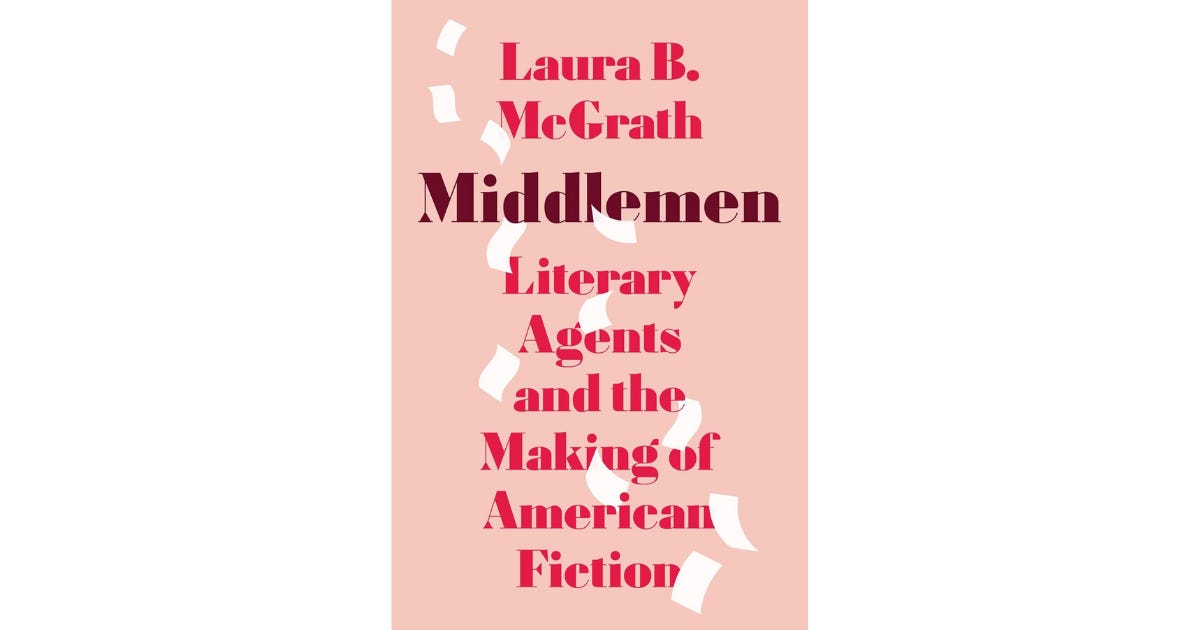
Laura McGrath's forthcoming book, 'Middlemen: Literary Agents and the Making of American Fiction', delves into the role of literary agents, who are often seen as the gatekeepers of the industry. These agents decide which manuscripts to represent, balancing commercial potential with literary merit. McGrath focuses on agents who specialize in prestige fiction, a small subset of the industry dominated by a few influential figures.
Agents often discover new talent through literary journals, but selling short story collections remains challenging. The prestige associated with literary journals helps agents identify promising writers, but the market demands novels. This creates pressure for authors to transition from short stories to novels to achieve success.
The debut novel holds significant weight in an author's career. Agents craft narratives around debut authors, emphasizing their backgrounds and potential to captivate editors and readers. This focus on debuts influences how authors are perceived and marketed.
McGrath's book also addresses the challenges faced by Black agents and authors, highlighting the industry's periodic interest in Black voices and the structural barriers they encounter. The book provides a nuanced view of the agent-author relationship, which is often more personal and emotionally complex than businesslike.
The distinction between literary and commercial fiction is crucial yet often blurred. Prestige fiction requires intense gatekeeping, with agents playing a pivotal role in determining which authors gain access to major publishers. This system, while restrictive, also allows for innovative works to emerge when agents take risks on unconventional projects.
Ultimately, McGrath's work offers insights into the motivations and dynamics within the publishing industry, emphasizing the role of prestige and the debut author phenomenon. It serves as a valuable resource for understanding how literary works are selected and promoted in today's market.
Key Concepts
The sociology of literature is the study of how literature is created, experienced, and defined by societal structures and institutions. It examines the roles of various entities like publishers, literary agents, and educational programs in shaping literary culture.
Literary agents are professionals who represent authors and their manuscripts to publishers. They play a crucial role in the publishing process by selecting projects to represent, negotiating contracts, and guiding authors through the publication journey.
Category
LiteratureMore on Discover
Summarized by Mente
Save any article, video, or tweet. AI summarizes it, finds connections, and creates your to-do list.
Start free, no credit card