The Power of Habit: Insights from William James
By Maria Popova
AI Summary
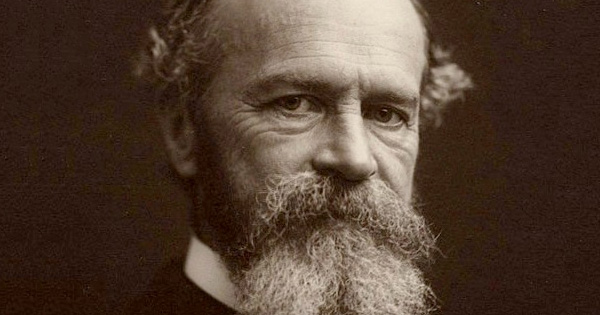
Aristotle once said, "We are what we repeatedly do," highlighting the profound impact of habit on excellence. This idea resonates with Barack Obama's approach to minimizing cognitive load by optimizing daily routines, a concept that echoes William James's 1887 treatise on habit. James, a pioneering psychologist, explored how our behavioral patterns shape character and personality, emphasizing that living creatures are essentially bundles of habits. He distinguished between innate instincts and learned habits, suggesting that the latter are often mistaken for acts of reason.
James's work delves into the concept of neuroplasticity long before it became a popular term, defining it as the brain's ability to adapt to new influences while maintaining stability. He explains how "habit loops" govern our lives, prompting automatic responses without conscious intent. These loops, he argues, are the flywheel of society, maintaining social order and preventing upheaval. Habits, according to James, dictate our life paths, often solidifying by age thirty, making change difficult.
Education plays a crucial role in habit formation, aiming to make our nervous system an ally. By automating useful actions early, we free our minds for higher pursuits. James warns against indecision, advocating for the habitualization of daily tasks to avoid mental fatigue. He offers three maxims for forming new habits: launch with strong initiative, avoid exceptions until habits are rooted, and act on resolutions promptly.
James cautions that good intentions alone don't shape character; consistent action does. He emphasizes the importance of effort, suggesting daily exercises in self-discipline to prepare for life's challenges. This "asceticism" is akin to insurance, providing resilience when needed.
The gravity of habitual choices is profound, as they shape our fates. James argues that every action leaves a mark, and understanding this can guide better conduct in youth. He concludes with a message of hope: diligent effort in education leads to competence, and young people should trust in the process. His timeless insights on habit and grit remain relevant, encouraging perseverance and mindful habit formation.
Key Concepts
A habit is a routine or behavior that is repeated regularly and tends to occur subconsciously. It is a pattern of behavior that is acquired through frequent repetition.
Neuroplasticity is the brain's ability to reorganize itself by forming new neural connections throughout life. It allows the brain to adjust in response to new experiences, learning, or injury.
Category
PsychologyMore on Discover
Summarized by Mente
Save any article, video, or tweet. AI summarizes it, finds connections, and creates your to-do list.
Start free, no credit card