The Value of Idleness in the Age of AI
By Robert Zaretsky
AI Summary
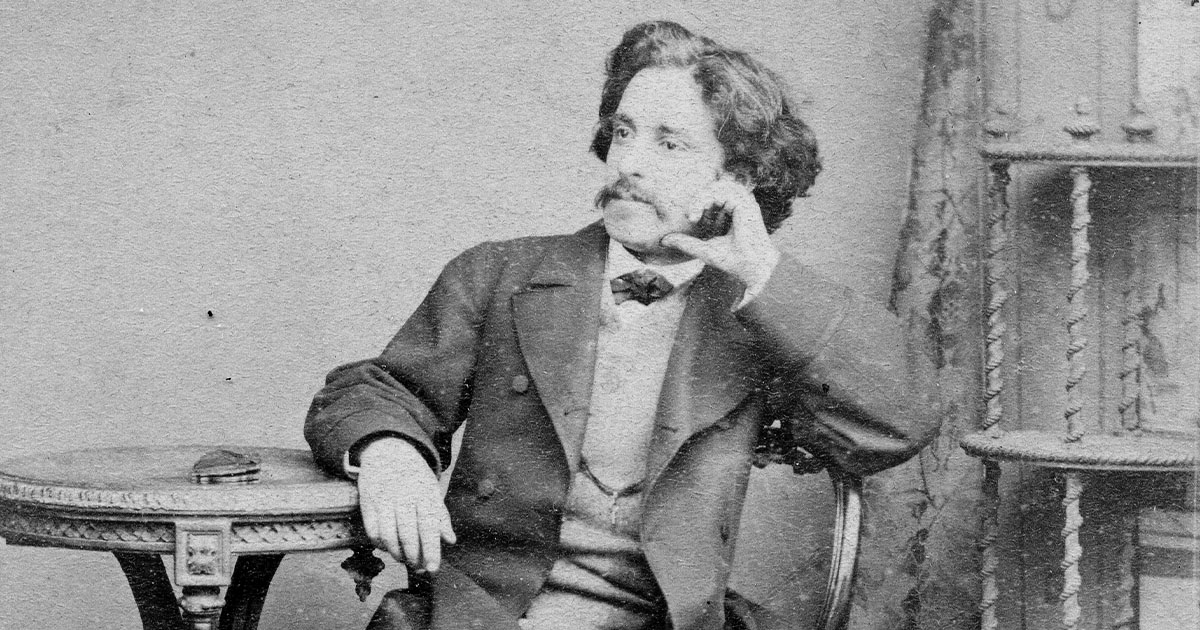
As I sit here writing, I can't help but worry about the day when AI, like Anthropic's Claude, might replace me. This fear isn't mine alone; a Pew Research Center survey shows that 64% of Americans believe AI will lead to fewer jobs, and only 17% think it will brighten their future. However, Paul Lafargue, a radical leftist and son-in-law of Karl Marx, might have been among that optimistic minority. In the late 19th century, Lafargue championed the idea of 'The Right to Be Lazy,' arguing that machines should liberate us from labor, not enslave us.
During Lafargue's time, the industrial revolutions were transforming work, replacing artisans with factory workers. Yet, Lafargue provocatively suggested that workers should not fight for shorter workdays but for the right to be idle. He believed that machines could be humanity's savior, freeing us from manual labor and granting us leisure and liberty. However, he lamented that work had become an oppressive force, driven by the industrial elite's obsession with productivity.
Lafargue didn't advocate for the complete abolition of work, recognizing that some labor is necessary. Instead, he called for a rationalization of work, arguing that fewer hours could meet society's needs, preventing economic crises caused by overproduction. He envisioned a future where both workers and owners could enjoy more leisure time, a concept echoed by Karl Marx's idea of diverse daily activities.
Lafargue's vision was not about indulging in hobbies but embracing the pleasure of doing nothing, a state of being free from distractions and obligations. This idea of idleness, or 'otium,' is about savoring existence itself. Despite his playful tone, Lafargue believed that machines could lead us to a lost paradise of idleness, a sentiment shared by thinkers like Dario Amodei of Anthropic.
Ultimately, Lafargue's life and philosophy remind us of the importance of idleness. In 1911, he and his wife chose to end their lives, preferring death to the gradual loss of life's pleasures. His story invites us to reconsider our relationship with work and leisure, perhaps finding value in the art of doing nothing.
Key Concepts
Idleness refers to a state of being inactive or doing nothing, often associated with leisure and relaxation. It is not merely about avoiding work but embracing a state of existence free from obligations and distractions.
Industrialization is the process of transforming economies from agrarian-based to industrial and manufacturing-based, often marked by the rise of factories and mechanized production.
Category
PhilosophyOriginal source
https://theamericanscholar.org/the-importance-of-being-idle/More on Discover
Summarized by Mente
Save any article, video, or tweet. AI summarizes it, finds connections, and creates your to-do list.
Start free, no credit card