Understanding Code Complexity: Beyond Algorithms to Psycholinguistics
By Sofia Fischer
AI Summary
Code complexity is a multifaceted concept that goes beyond traditional measures like Big O notation and Cyclomatic Complexity. While computational complexity focuses on resources like time and memory, it often overlooks the mental effort required to understand code. For instance, insertion sort and counting sort algorithms illustrate how different implementations can vary in complexity, with counting sort being more efficient but harder to grasp due to its reliance on maximum values and constraints on negative numbers.
## Computational Complexity
In my experience, computational complexity, such as O(n²) for insertion sort, provides a clear picture of how resource usage grows with input size. However, as a software developer, I find that understanding and maintaining code often involves more than just computational efficiency. A simpler algorithm may be preferable if it is easier to understand and maintain, even if it is less efficient.
## Domain Code Complexity
In the realm of business or domain code, human cognitive resources are often more valuable than computational resources. A function with numerous variables may not strain the machine, but it can overwhelm a developer trying to understand it. Thus, measuring code complexity in terms of human comprehension becomes crucial.
## Cyclomatic and Halstead Complexity
Cyclomatic Complexity, which counts the number of independent paths through code, can indicate potential defect density and guide refactoring efforts. However, it doesn't capture semantic complexity or the background knowledge required to understand the code. Halstead Complexity, on the other hand, measures mental effort based on the variety of operators and operands, offering insights into cognitive load.
## Linguistic Complexity
Psycholinguistics offers valuable insights into code complexity by examining how humans process language. Familiarity with patterns, working memory load, and coherence are key factors that influence how easily code can be understood. Linguistic metrics like Subordination Index and Mean Dependency Distance can be mapped to programming concepts like Cyclomatic Complexity and variable scope distance.
## Natural Language Description Complexity
The complexity of a function can also be gauged by how easily its purpose can be described in natural language. This highlights the importance of considering the reader's perspective and domain knowledge when writing code.
## Working with Complexity Metrics
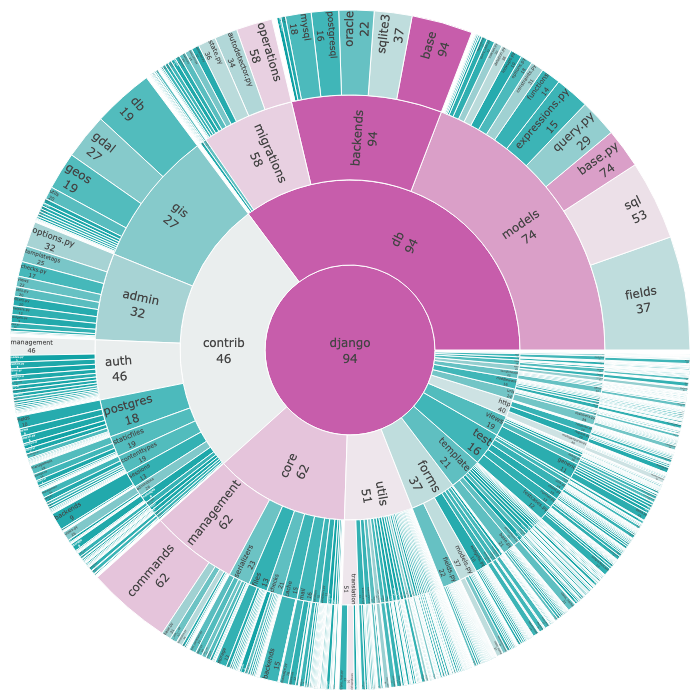
Complexity metrics are tools that can guide decision-making and refactoring efforts. By aggregating complexity across a codebase or combining it with other metrics like churn and coupling, developers can identify areas in need of improvement. Effective use of these metrics can facilitate communication with non-technical stakeholders and demonstrate the impact of refactoring.
Key Concepts
Computational complexity measures the resources required by an algorithm, such as time and memory, as input size increases.
Linguistic complexity examines how humans process language, focusing on factors like familiarity, working memory load, and coherence.
Category
ProgrammingOriginal source
https://philodev.one/posts/2026-04-code-complexity/More on Discover
Summarized by Mente
Save any article, video, or tweet. AI summarizes it, finds connections, and creates your to-do list.
Start free, no credit card