Unveiling Nepal's High-Altitude Rescue Fraud
By John Doe
AI Summary
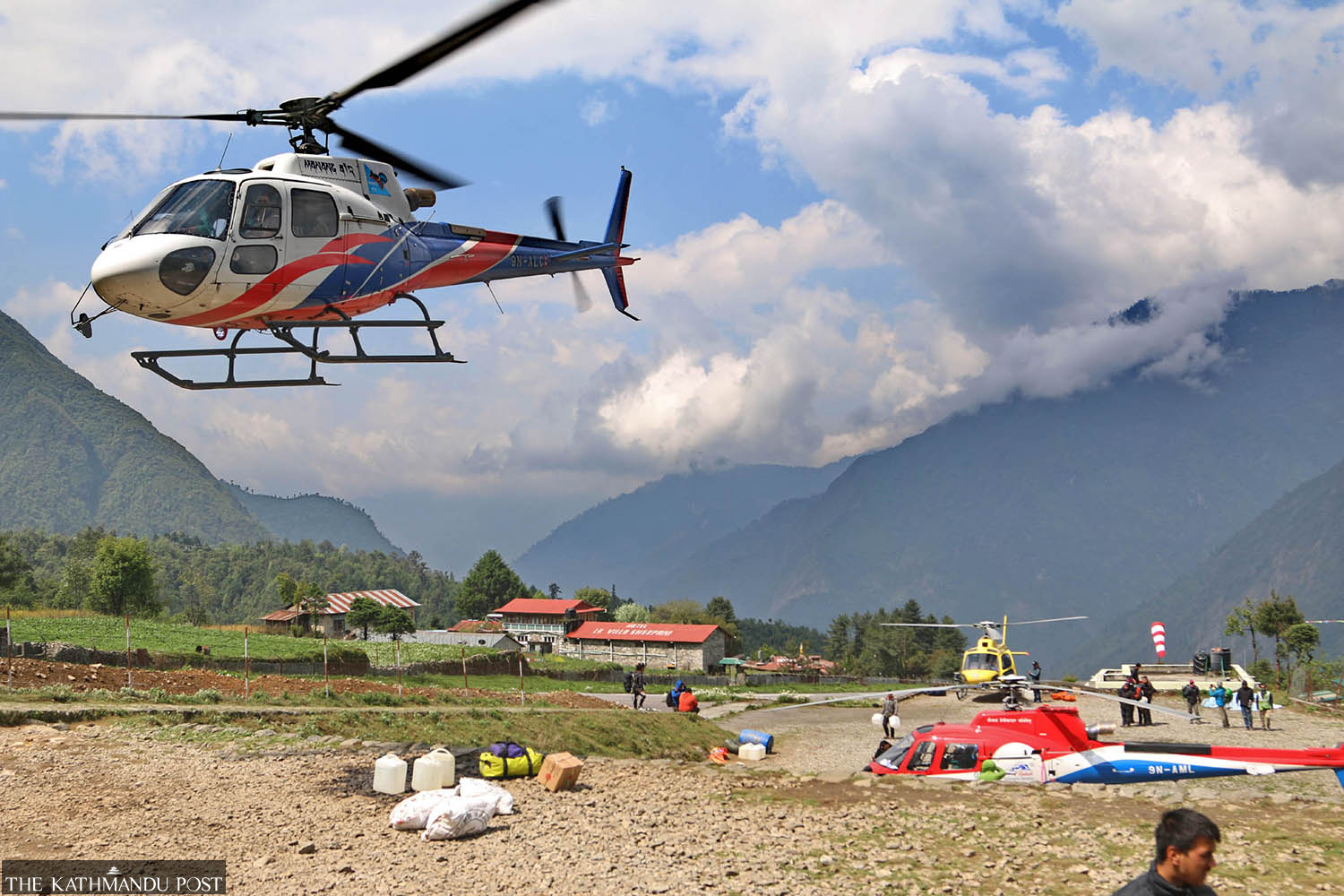
In the treacherous heights of Nepal, helicopter rescues are a lifeline for trekkers facing sudden medical emergencies. However, beneath this essential service lies a sophisticated insurance fraud network that has been exploiting the system's urgency and complexity. This scam, first exposed in 2018, involves staging fake medical emergencies to trigger costly helicopter rescues, which are then billed to foreign insurers at inflated rates.
The fraud operates through two primary methods. Some tourists, weary from their treks, are persuaded to feign illness for a convenient helicopter ride back. More alarmingly, guides and hotel staff manipulate trekkers' mild altitude sickness symptoms, using tactics like administering Diamox and excessive water to induce conditions warranting evacuation. Once a rescue is called, the financial deception begins, with multiple passengers on a single flight billed separately to insurers, and fake medical records fabricated to justify claims.
The scale of this fraud is staggering. Between 2022 and 2025, over 4,700 foreign patients were treated in implicated hospitals, with 171 confirmed fake rescues. The financial impact is immense, with millions of dollars claimed from insurers by hospitals and helicopter operators involved in the scam. Despite previous government efforts to curb this fraud, including a comprehensive report and recommended reforms, the scam has persisted due to lax enforcement and oversight.
Insurance companies face significant challenges in verifying claims from remote Himalayan regions. Communication difficulties and reliance on local partners, who may be complicit in the fraud, complicate the verification process. The incentives for local operators to maximize profits further exacerbate the issue, as they benefit from inflated claims and commissions.
Recent investigations have led to charges against 32 individuals, including helicopter operators and hospital staff, highlighting the systemic nature of the fraud. The outcome of these prosecutions will be crucial in determining whether Nepal's trekking industry can regain trust and whether the necessary infrastructure for claim verification is established.
The revelations have serious implications for Nepal's tourism sector, which relies heavily on trekking. The integrity of the industry is at stake, and the new government faces pressure to enforce reforms and ensure accountability. The future of Nepal's trekking industry depends on the ability to address these fraudulent practices and restore confidence among international insurers and tourists.
Key Concepts
Insurance fraud involves deceitful practices aimed at obtaining financial gains from insurance policies through false or exaggerated claims.
Altitude sickness occurs when the body struggles to adapt to lower oxygen levels at high elevations, causing symptoms like headaches and nausea.
Category
PoliticsMore on Discover
Summarized by Mente
Save any article, video, or tweet. AI summarizes it, finds connections, and creates your to-do list.
Start free, no credit card