Unveiling the Hidden World of Mycorrhizal Fungi in Alaska's Tundra
By By Max G. Levy April 6, 2026
AI Summary
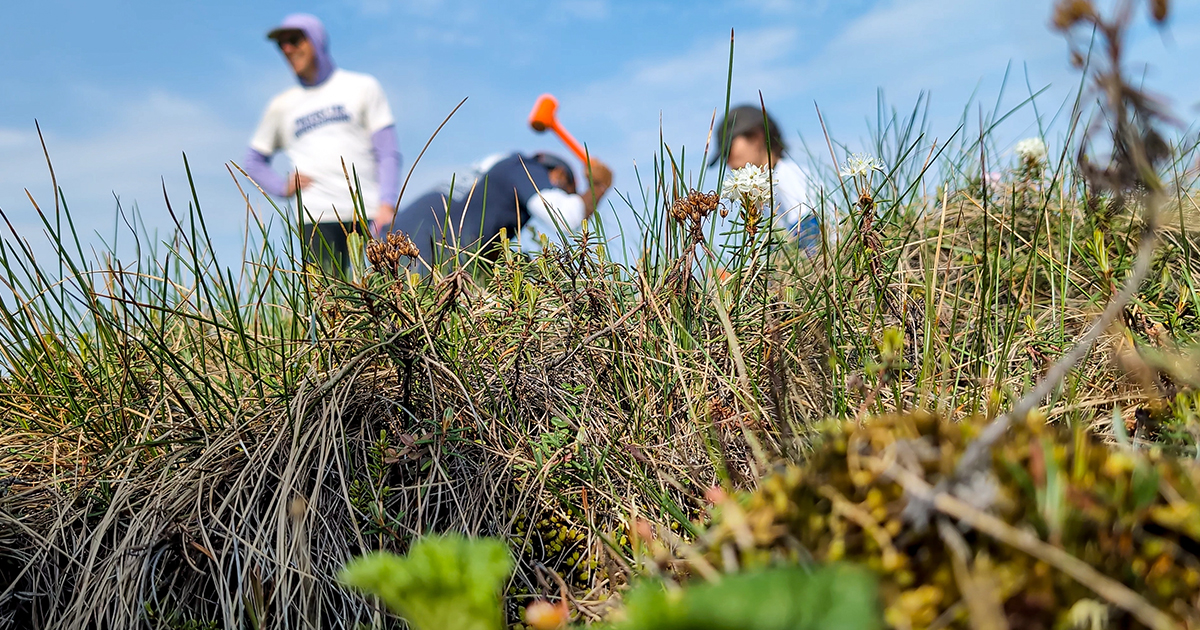
On a bright June day in 2025, Michael Van Nuland set off on a journey through Alaska's northernmost highway, driven by a mission to uncover the secrets of mycorrhizal fungi beneath the tundra. These fungi, once thought to be mere parasites, are now recognized as vital architects of underground ecosystems, forming networks that sustain life aboveground by connecting plant roots and circulating nutrients. Van Nuland, leading a team from the Society for the Protection of Underground Networks (SPUN), aimed to explore the Arctic's potential as a hot spot for these fungi, which play a crucial role in carbon storage.
The expedition was fueled by a groundbreaking model published in Nature, which used machine learning to analyze 25,000 soil samples globally, predicting locations rich in mycorrhizal diversity. The Alaskan tundra, nestled between oil fields and wildlife refuges, emerged as a key area of interest. Van Nuland's team collected soil samples to verify these predictions, hoping to discover new species and understand the fungi's role in carbon sequestration.
Mycorrhizal fungi, with their intricate hyphal networks, are not just passive conduits but active participants in nutrient exchange. They form symbiotic relationships with plants, trading scarce nutrients for carbon, and are now seen as crucial players in ecosystem dynamics. The team's research could have global implications, as these fungi store a significant portion of the world's carbon emissions, making their protection vital in the fight against climate change.
Despite the urgency, much remains unknown about the global distribution and biodiversity of these fungi. The expedition's findings could help fill this gap, revealing the unique adaptations of Arctic fungi and their potential to influence global carbon cycles. As the team ventured deeper into the tundra, they encountered challenges, from flat tires to icy conditions, but their determination to sample 60 sites in four days paid off.
The preliminary results were promising, with the discovery of numerous previously unknown fungal species, highlighting the region's ecological uniqueness. These findings underscore the importance of protecting such ecosystems, which may hold the key to understanding and mitigating climate change impacts.
Van Nuland's work is part of a broader effort by SPUN to map and protect fungal networks worldwide. Their research spans diverse environments, from Kazakhstan's grasslands to the Pacific's coral atolls, each offering insights into the fungi's ecological roles. As they continue their quest, the team hopes to refine their models and deepen our understanding of these underground networks.
The journey through Alaska's tundra is just the beginning. With each expedition, scientists like Van Nuland are piecing together the complex puzzle of mycorrhizal fungi, revealing their critical role in sustaining life on Earth. As climate change threatens these delicate systems, the race to understand and protect them becomes ever more urgent.
Key Concepts
Mycorrhizal fungi are a group of soil-dwelling microbes that form symbiotic relationships with plant roots, facilitating nutrient exchange. They are crucial for plant health and ecosystem functioning, as they help plants access nutrients like nitrogen and phosphorus in exchange for carbon.
Carbon storage refers to the process by which carbon is sequestered in natural reservoirs, such as forests, oceans, and soil, reducing the amount of carbon dioxide in the atmosphere and helping to mitigate climate change.
Category
BiologyOriginal source
https://www.quantamagazine.org/an-arctic-road-trip-brings-vital-underground-networks-into-view-20260406/More on Discover
Summarized by Mente
Save any article, video, or tweet. AI summarizes it, finds connections, and creates your to-do list.
Start free, no credit card