Artemis II Astronauts Set New Distance Record and Experience Lunar Eclipse
By Stephen Clark
AI Summary
On a historic mission, the Artemis II crew, led by Reid Wiseman, circumnavigated the Moon, setting a new record for the farthest distance traveled by humans in space. As they approached the Moon, the astronauts were awestruck by the surreal views, struggling to find words to describe the spectacle outside their windows. The mission marked the first human journey to the Moon in over half a century, with the crew trained extensively in geology and photography to document their observations.
The mission's trajectory serendipitously aligned for a rare solar eclipse, allowing the astronauts to witness the Moon silhouetted against the Sun, illuminated by Earthshine. This celestial event created a halo effect, with the Sun's corona glowing around the Moon's perimeter, providing a breathtaking view that cameras struggled to capture. The crew, including Victor Glover and Jeremy Hansen, shared their impressions with mission control, emphasizing the eclipse's otherworldly beauty.
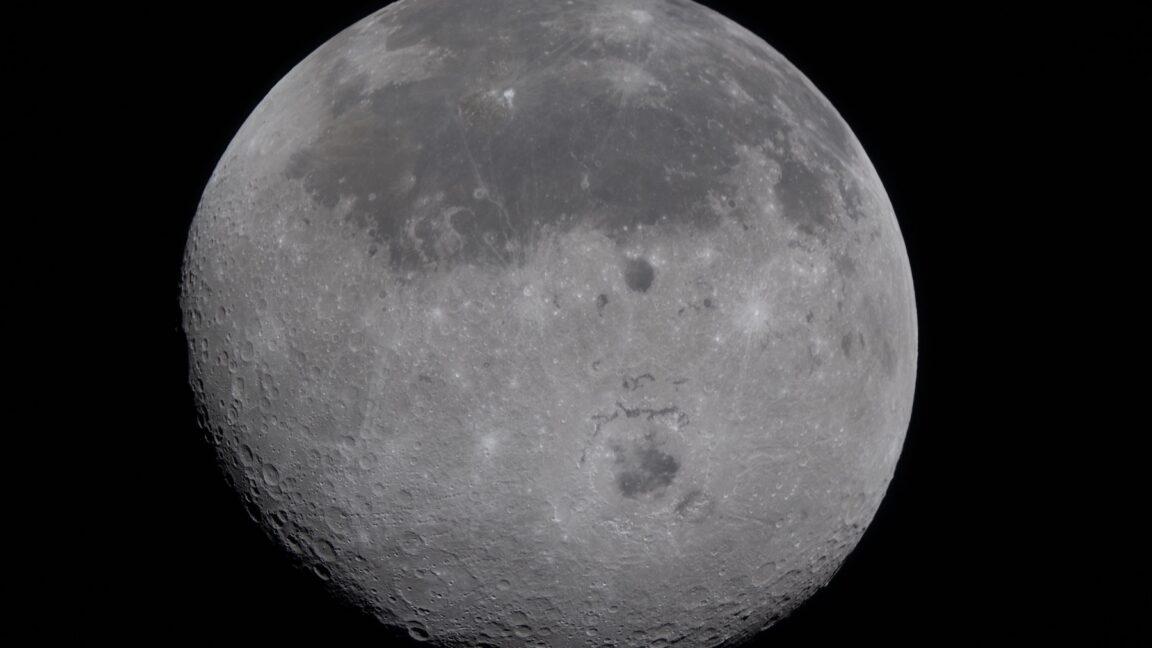
Throughout the journey, the astronauts communicated their observations of the Moon's surface, noting its craters, mountain peaks, and volcanic features. They also named a crater after Wiseman's late wife, Carroll, adding an emotional touch to the mission. The Artemis II spacecraft, Integrity, performed flawlessly, maintaining communication with Earth despite temporary radio silence when behind the Moon.
The mission also served as a practice run for future lunar landings, with the crew's real-time observations offering insights that robotic missions cannot. As they flew over the Moon's far side, the astronauts captured images of previously unseen terrain, providing a human perspective on the lunar landscape.
Looking ahead, NASA plans more Artemis missions, aiming for a lunar landing by 2028. The Artemis program envisions a future where the Moon becomes a destination for exploration and research, akin to Antarctica. Christina Koch, one of the mission specialists, expressed hope that this mission marks the beginning of a new era of lunar exploration, where the Moon is seen as a place to be explored and understood.
The mission concluded with a call from President Donald Trump, who emphasized the importance of returning humans to the Moon. Despite budgetary challenges, NASA remains committed to its ambitious timeline, with Artemis III and IV already in the pipeline. The Artemis II mission not only set a new distance record but also reignited the spirit of exploration, reminding humanity of the wonders beyond our planet.
Key Concepts
Lunar exploration involves the study and investigation of the Moon's surface, geology, and environment, typically through manned or unmanned missions. It aims to understand the Moon's composition, history, and potential for future human habitation.
Human spaceflight refers to missions where humans travel into space, either in orbit around Earth or to other celestial bodies. These missions involve complex planning, training, and technology to ensure the safety and success of the crew.
Category
Space ExplorationOriginal source
https://arstechnica.com/space/2026/04/astronauts-set-distance-record-revealing-the-moon-as-a-place-to-be-explored/More on Discover
Summarized by Mente
Save any article, video, or tweet. AI summarizes it, finds connections, and creates your to-do list.
Start free, no credit card