The Legacy Infrastructure Powering Modern Air Travel
By Ajitem Sahasrabuddhe
AI Summary
In December 2025, I booked a flight to London in under a minute, marveling at the efficiency of modern systems. Yet, the irony struck me mid-flight: the infrastructure facilitating this seamless experience was designed in 1960, predating even Unix. This six-part series delves into the legacy systems that still underpin global air travel today.
## The World Before SABRE
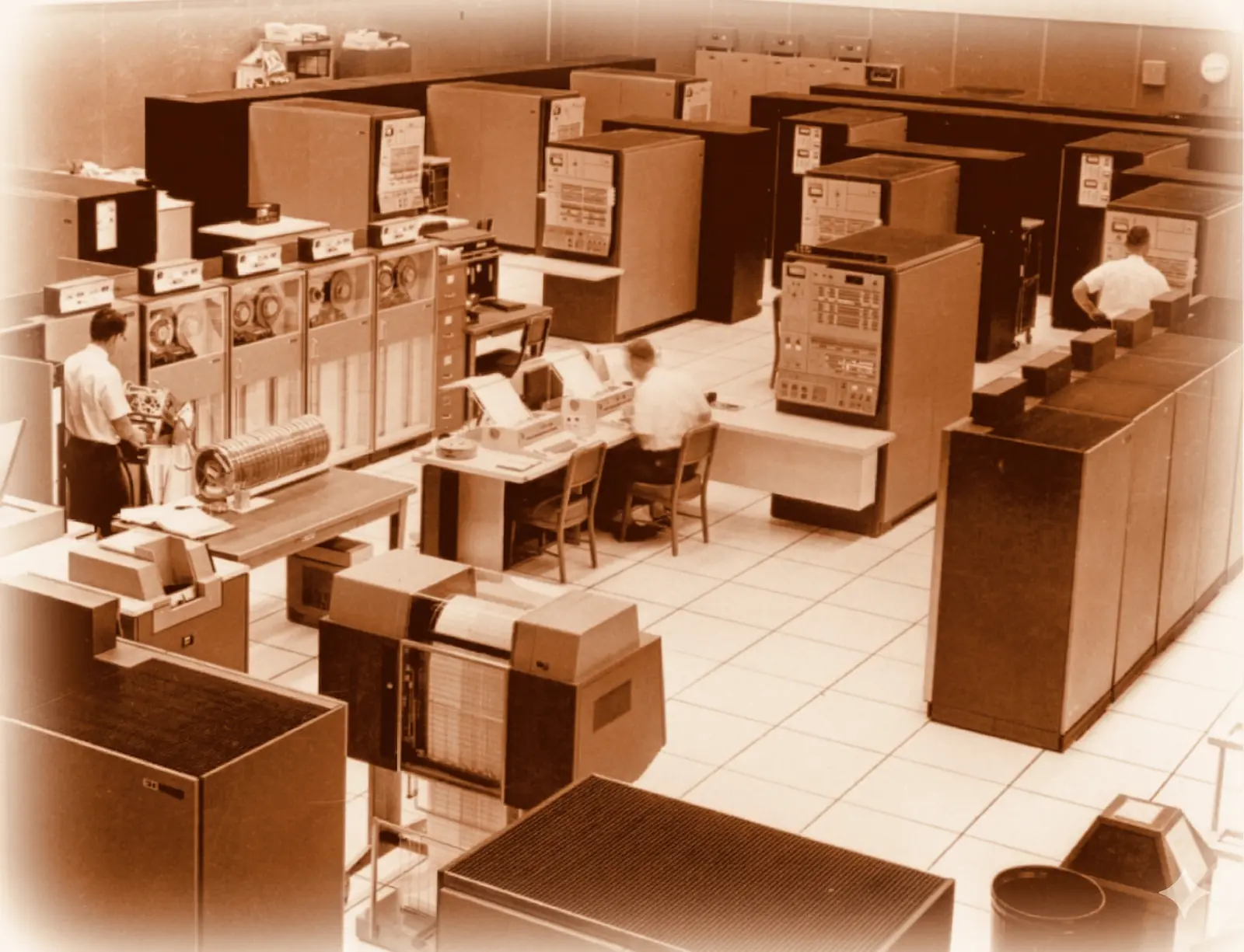
In the 1950s, American Airlines managed reservations manually, a cumbersome process involving physical index cards and lengthy phone calls. The system was on the brink of collapse, processing 85,000 requests daily across multiple cities. A chance meeting between American Airlines' president and an IBM salesman led to the development of SABRE, a revolutionary system that went live in 1964, transforming the airline industry.
## TPF — The OS That Refuses to Die
The Transaction Processing Facility (TPF) is a specialized IBM mainframe OS designed for high-volume transaction processing. Unlike modern operating systems, TPF lacks processes and threads, focusing instead on executing short-lived programs with incredible efficiency. This design, optimized for one specific workload, has kept TPF relevant for over six decades, handling tens of thousands of transactions per second.
## Where My Flights Fit Into This
My booking through MakeMyTrip used Amadeus, a GDS that evolved from a 1987 partnership among major airlines. Although Amadeus has modernized its infrastructure, the core data model and protocols remain rooted in the 1960s. This continuity ensures interoperability across airlines, simplifying complex bookings and re-accommodations.
## IndiGo and the Budget Carrier Divergence
IndiGo, India's largest airline, operates on Navitaire, a PSS tailored for low-cost carriers. This system prioritizes efficiency and simplicity, sacrificing some interoperability for cost-effectiveness. The choice of system impacts how disruptions are managed, requiring manual intervention when interfacing with other systems like Amadeus.
## What a 30-Second Booking Actually Triggers
The booking process involves multiple layers and systems, each with its own protocols and failure modes. From the initial availability check to the final e-ticket issuance, the process is a complex web of synchronous and asynchronous interactions across decades-old and modern systems.
## Takeaways
The enduring success of TPF highlights the importance of fitness for purpose over modernity. While not fashionable, TPF's efficiency and reliability make it irreplaceable for its specific task. Additionally, the convergent evolution of GDS platforms underscores the market's ability to identify optimal solutions. Finally, large-scale migrations, like Air India's move to Amadeus Altéa, are costly and complex, leaving lasting impacts on the industry.
Key Concepts
Legacy systems are outdated computing software or hardware that are still in use, despite having been superseded by newer technology. They often remain in operation due to their critical role in business operations.
Transaction processing refers to the collection, storage, and processing of data transactions in a computing system, often requiring high efficiency and reliability.
Category
TechnologyMore on Discover
Summarized by Mente
Save any article, video, or tweet. AI summarizes it, finds connections, and creates your to-do list.
Start free, no credit card